


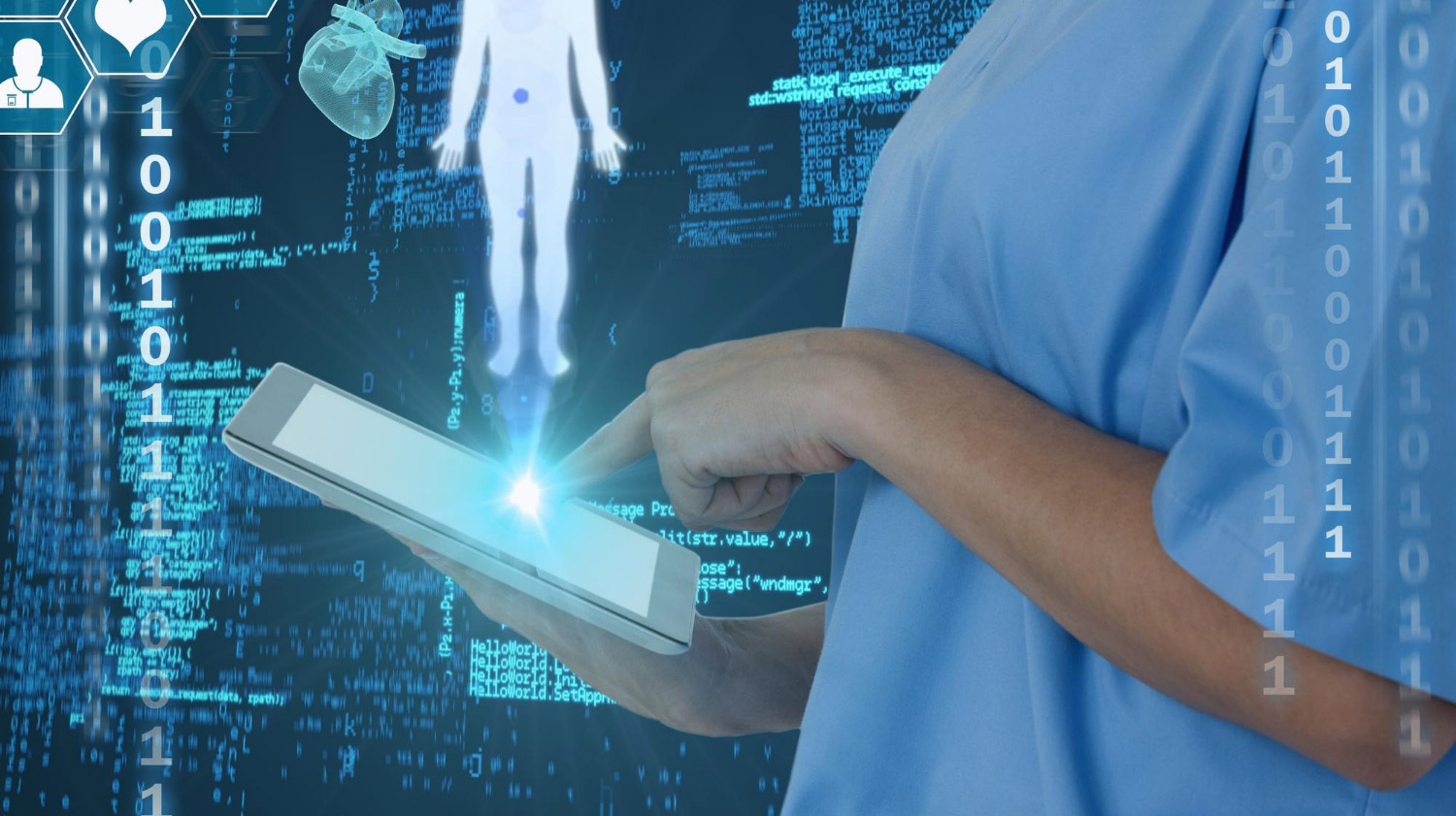
The healthcare industry is undergoing a significant shift driven by the power of big data, artificial intelligence and personalized insights. As medical technology evolves, data-driven approaches are reshaping patient care, improving diagnostics and making treatments more precise. Joe Kiani, founder of Masimo, has been a strong advocate for leveraging data to drive patient-centric innovations. With real-time monitoring, predictive analytics and AI-driven recommendations, personalized insights are becoming the cornerstone of modern healthcare.
Table of Contents
The Growing Importance of Data in Healthcare
Data is reshaping healthcare by enabling providers to move from reactive to proactive care. The ability to collect, analyze and interpret health data in real-time has led to improvements in:
Early disease detection – AI and machine learning algorithms can identify patterns in patient data to detect conditions before symptoms appear.
Personalized treatment plans – Data-driven insights help tailor treatments based on genetic, lifestyle and environmental factors.
Remote patient monitoring – Wearable technology and IoT devices allow for continuous health tracking, reducing the need for hospital visits.
Operational efficiency – Healthcare institutions leverage data analytics to optimize workflows, manage resources and reduce costs.
How AI and Big Data Are Enhancing Personalized Healthcare
AI-powered algorithms and big data analytics are enabling a new era of precision medicine, where treatments are customized based on an individual’s unique health profile. These innovations are streamlining healthcare by making interventions more targeted, efficient and proactive. By leveraging vast amounts of patient data, AI-driven solutions help clinicians make more informed decisions, ultimately improving outcomes and reducing healthcare costs. Key applications include:
Predictive Analytics – AI models analyze patient history and risk factors to predict potential health issues and recommend preventive measures. By identifying early warning signs, healthcare providers can intervene before conditions escalate, reducing hospital admissions and improving patient well-being. Advanced AI tools can also personalize lifestyle and medication recommendations, optimizing patient adherence to treatment plans.
Genomic Medicine – Personalized medicine integrates genetic sequencing to design treatments tailored to specific patient needs. AI-driven analysis of genomic data enables the identification of disease predispositions, guiding doctors in choosing the most effective therapies. This approach is making meaningful strides in areas like cancer care, where AI supports treatment matching that aims to reduce side effects and improve outcomes.
Real-Time Health Monitoring – AI-driven platforms track vital signs and detect abnormalities, alerting healthcare providers to intervene early. Wearable devices equipped with AI algorithms continuously analyze heart rate, glucose levels and other health indicators, enabling timely medical responses. These technologies empower patients to take a proactive role in their health while giving doctors valuable real-time insights into disease progression.
AI-Assisted Diagnostics – Machine learning models improve the accuracy of radiology scans, pathology reports and other diagnostic tools. AI-powered imaging systems can detect tumors, fractures and other abnormalities with high precision, reducing misdiagnosis rates and expediting treatment. Furthermore, AI enhances workflow efficiency in diagnostic labs, allowing specialists to focus on complex cases while automating routine assessments.
Personalized Drug Development – AI accelerates drug discovery by analyzing vast datasets to identify promising compounds and predict treatment responses. Pharmaceutical companies use AI-driven simulations to test drug interactions, cutting down the time and costs associated with traditional clinical trials. This innovation is paving the way for more effective, patient-specific medications that cater to individual genetic and biochemical profiles.
As AI technology continues to evolve, its role in precision medicine will expand, making healthcare more proactive, personalized and accessible. The integration of AI-driven insights into everyday medical practice has the potential to redefine disease prevention, diagnosis and treatment on a global scale.
The Role of Wearable Devices and Remote Monitoring
Wearable health technology is bridging the gap between patients and providers by offering real-time, data-driven insights. These devices include:
Continuous Glucose Monitors (CGMs) – Helping diabetic patients track blood sugar levels without invasive testing.
Smartwatches and fitness trackers – Monitoring heart rate, oxygen levels, sleep patterns and activity levels.
ECG-enabled wearables – Detecting irregular heart rhythms and providing early warnings for cardiovascular diseases.
With advancements in non-invasive health tracking, patients gain greater control over their well-being while allowing doctors to make data-backed decisions. AI-powered algorithms integrated into wearables can analyze trends over time, offering personalized health recommendations to users. Some devices also feature fall detection and emergency alert systems, providing critical support for elderly individuals and those with chronic conditions.
As remote patient monitoring becomes more prevalent, wearable technology plays a crucial role in reducing hospital visits and improving disease management. The continued evolution of these devices is expected to enhance preventive care, ultimately leading to better health outcomes and reduced healthcare costs.
The Challenges of Data Integration in Healthcare
While data is shaping healthcare, integration and security challenges remain key concerns:
Interoperability Issues – Healthcare systems often use different data formats and platforms, making seamless integration difficult.
Data Privacy and Security – Ensuring compliance with HIPAA, GDPR and other regulations is critical for protecting patient information.
Bias in AI Models – Algorithms must be trained on diverse datasets to prevent disparities in healthcare recommendations.
Physician Adoption and Training – Medical professionals need education and support to utilize AI-driven insights effectively.
The Future of Data-Driven Healthcare
As technology advances, data-driven healthcare will continue to evolve in key areas:
AI-Powered Virtual Health Assistants – Providing real-time medical advice based on a patient’s history and symptoms.
Blockchain for Medical Records – Enhancing security, interoperability and accessibility of health data.
Decentralized Clinical Trials – Leveraging wearable data and remote monitoring to streamline research and drug development.
Smart Hospitals – Using AI, IoT and automation to enhance patient care, reduce wait times and improve operational efficiency.
Managing a chronic condition often requires constant attention. Joe Kiani captures that challenge directly: “The people who have this disease don’t get to really live a good, easy life; they’re constantly managing their disease.” That reality highlights the need for solutions that reduce the daily burden of care and support better decision-making across healthcare systems.
Data is reshaping modern healthcare, giving personalized insights into the future of medicine. With AI, big data and wearable technology driving change, the industry is shifting toward more accurate, efficient and patient-centered care. As healthcare continues to embrace data-driven solutions, early disease detection, personalized treatments and real-time monitoring will become the standard, leading to better outcomes and a healthier future for all.