


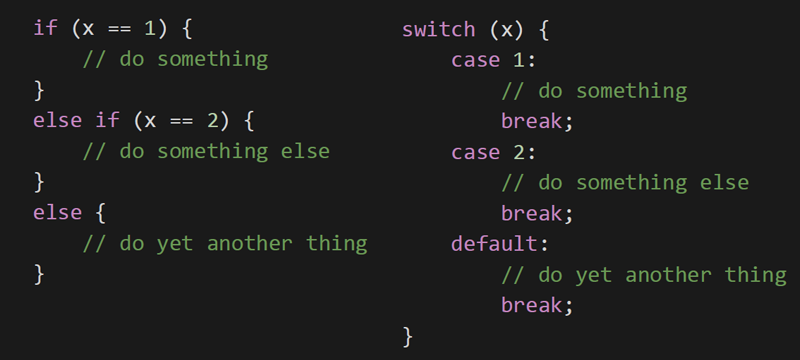
When you’re gaining knowledge of Python or transitioning from any other language like C++, Java, or JavaScript, you may look for the “python switch — a characteristic normally used to simplify a couple of conditional assessments. But curiously, Python doesn’t have a integrated switch statement, as a minimum not in the conventional sense. So, what does that mean for Python builders? Let’s explore.
Table of Contents
What is a Switch Statement?
In many programming languages, a switch declaration permits a value to be examined in opposition to a list of instances. It’s an stylish and cleanser opportunity to writing many if-else situations. For instance, in preference to writing five if-else blocks to determine what day it is, a transfer can compare the enter once and bounce to the matching case.
Why Doesn’t Python Have a Traditional Switch Statement?
Python emphasizes simplicity, readability, and minimalism. The creators of the language consider that you can achieve everything a switch does the use of other structures like if-elif-else or dictionaries. Python avoids adding syntax that can be changed through clearer and extra bendy alternatives.
In truth, one of the guiding principles of Python, from The Zen of Python, is:
“There need to be one—and preferably handiest one—apparent way to do it.”
This layout philosophy discourages including redundant or overlapping functions. Since Python’s if-elif-else chains and mapping strategies can do the equal job as a transfer, there’s no urgent want to introduce it.
How Python Handles the ‘Switch’ Concept
Even even though python switch would not have a transfer key-word, you may mimic the conduct the usage of different equipment. Without diving into code, permit’s explain the principle alternatives in concept:
1. If-Elif-Else Chains
This is the maximum direct alternative. You check one situation after some other in collection. It’s clean to recognize and suitable if you have only a few options.
2. Dictionaries as Lookup Tables
Dictionaries in Python can be used to simulate transfer-like conduct. A dictionary maps keys to values — in this example, specific inputs to favored results. Instead of checking every condition, Python quick fetches the end result by way of the use of the enter as a key. This method is faster and purifier for big units of situations.
3. Pattern Matching (Python three.10+)
With the discharge of Python 3.10, Python brought a “in shape-case” syntax. This is the closest function to a real switch-case. It permits developers to fit complicated patterns (now not simply simple values), which makes it far extra powerful than traditional switches in other languages.
Although the suit-case syntax appears like a transfer, it is technically sample matching — some thing that comes from useful programming languages. It’s smarter and can take care of greater numerous situations.
Benefits of Python’s Approach
Even with out a traditional transfer, python switch options have numerous advantages:
- Greater Flexibility: Dictionaries and pattern matching aid more complicated good judgment.
- Cleaner Syntax: Especially with the new fit-case, code becomes easier to study.
- Consistency: Using existing structures approach you don’t want to analyze a separate switch syntax.
Is There Ever a Need for a Real Switch in Python?
For many new builders, the absence of a switch may also appear odd or maybe inconvenient. But when you become comfortable with python switch , you’ll comprehend that the options frequently work higher. That said, if someone prefers switch-style syntax, 1/3-party packages or custom functions can simulate that conduct — however it’s not often necessary.
Final Thoughts
While Python would not encompass a native switch statement, it offers more than one stylish alternatives that align with the language’s design philosophy. Whether you’re using if-elif, dictionaries, or the new in shape-case, Python ensures your code remains smooth, readable, and efficient.