



Discover how to build muscle clearly with WellHealthOrganic. Learn workout routines, protein-rich ingredients, and smart techniques for real profits.
Table of Contents
Introduction to WellhealthOrganic How to Build Muscle
Building muscle isn’t pretty much lifting heavy weights — it’s an adventure of area, the proper vitamins, and a way of life that supports recuperation and growth. Whether you’re a newbie or a person trying to push your health to the next level, WellHealthOrganic gives technological know-how-sponsored, natural techniques to help you build lean muscle successfully.
In this guide, we’ll explore how WellHealthOrganic how to build muscle tag affords a holistic direction to muscle development, the importance of high protein ingredients, and smart exercise strategies tailored to your dreams.
Why Muscle Building Matters
Muscle building does more than shape your frame — it improves metabolism, bone density, posture, and intellectual health. Whether your goal is fat loss, electricity, or aesthetics, muscles play a primary role.
Nutrition: The Foundation of Muscle Growth
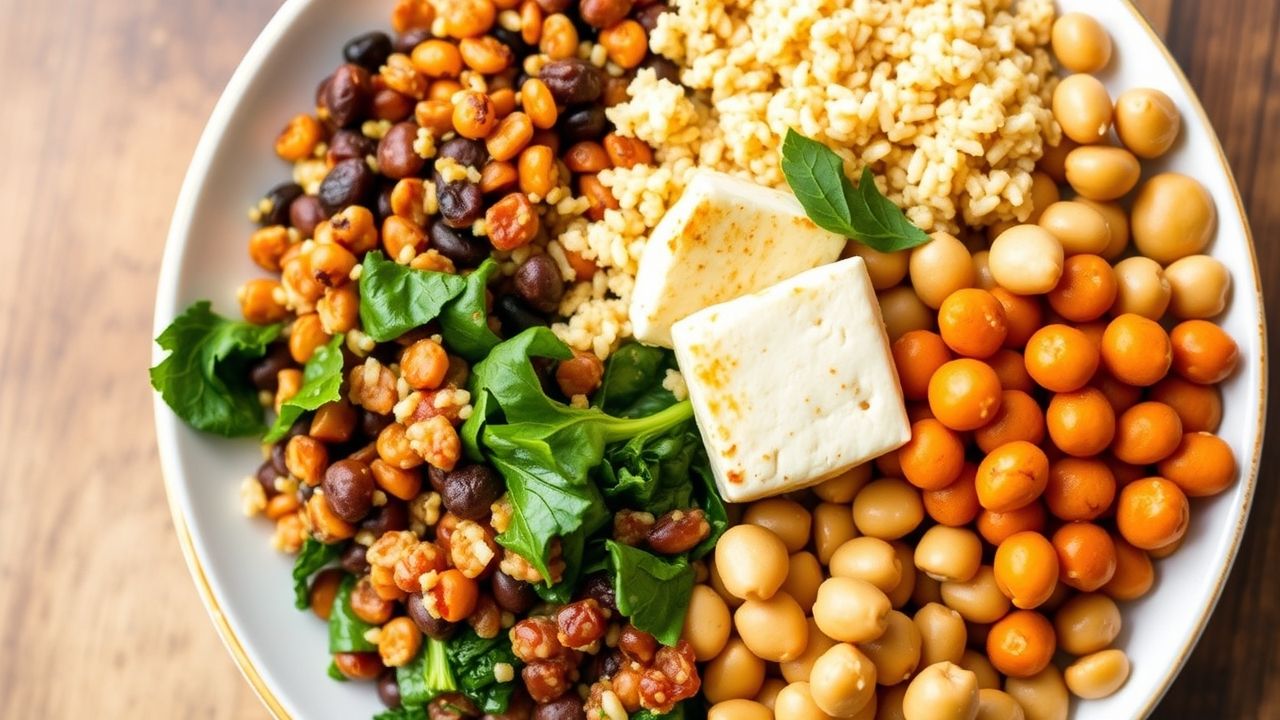
Eat More Protein Rich Foods
One of the core pillars of muscle building is nutrition, especially protein. Your muscles are made of protein, and consuming the right amount ensures proper recovery and growth.
Top Protein Rich Foods:
- Lentils and legumes
- Greek yogurt
- Quinoa
- Tofu and tempeh
- Cottage cheese
- Eggs
- Chickpeas
- Pumpkin seeds
These are among the highest protein foods for vegetarians and vegans. Incorporating them into your daily meals can help meet your protein needs without relying on meat.
How Much Protein Do You Need?
The popular recommendation for muscle boom is 1.6–2.2 grams of protein for keeping with kilogram of body weight, consistent with a day. For example, a 70kg man or woman must consume 112–154 grams of protein day by day.

Hydration and Recovery Foods
Don’t ignore hydration. Muscles are 75% water, and staying hydrated helps cellular function and recovery. Pair your high protein ingredients with plenty of fruits, vegetables, and whole grains for balanced nutrients.
Training Strategies with WellHealthOrganic
Progressive Overload: The Muscle-Growth Secret
Progressive overload is the gradual increase of stress placed on your muscles during exercise. This can be done by:
- Increasing weights
- Adding more reps
- Reducing rest between sets
- Improving form and control
This principle ensures constant adaptation and growth.
Best Exercises for Muscle Growth
Compound movements are most effective for building overall muscle:
- Squats
- Deadlifts
- Bench Press
- Pull-ups
- Overhead Press
- Rows
Combine them with isolation exercises like bicep curls or leg extensions for muscle targeting.
How Frequently Should One Train?
Train all major muscle groups 2-3 times a week. The balanced routine (e.g., push-pull-legs) would allow balance, recovery, and frequency.
Recovery is the phase of muscle repair.
Recovery is actually what sees muscle growth happening, and you will probably sustain injury or impede gains without rest.
Importance of Sleep
Quality sleep comes within 7-9 hours. At the stage of deep sleep, hormones associated with growth release themselves in the body, repair tissues, and kinds up muscle.
Rest days and active recovery days are part of the deal.
Schedule 1-2 rest days a week. Use the time for some of the better things in life, like leisurely walking or stretching, which helps keep the blood flowing without taxing the muscles.

Motivation: Consistency
It is hard to keep faith in the routine. This can help:
- Keeps records of progress with pictures/journals
- Reminders for small your big goals.
- Reward yourself occasionally.
- Train along with your friend or coach.
- Be in sync with the community and wellness guide of WellHealthOrganic.
Supplements: Are They Necessary?
Supplements are optional. A well-planned diet can provide everything you need. However, if you’re struggling to meet your protein needs, a plant-based protein powder is a helpful addition.
Benefits of Using WellHealthOrganic’s Approach
- Natural methods backed by wellness science
- Emphasis on organic, sustainable food choices
- A balanced focus on nutrition, training, and recovery
- Designed for all fitness levels
- Avoids gimmicks and promotes long-term health
FAQs: Muscle Building with WellHealthOrganic
1. How can I stay motivated for muscle building?
Keep tabs on progress, set realistic goals, and make yourself part of a like-minded community.
2. Which method is best for muscle growth?
A combination of progressive overload, good nutrition, and recovery.
3. What age is hardest to gain muscle?
Muscle gain slows after 50, but indulgence with the right approach can still lead to muscle gain.
4. What is the best strategy to build muscle?
Lift regularly; consume sufficient protein-rich foods; sleep well; and remain consistent with all these actions.
5. What is progressive overload, and why is it important?
It’s the method of increasing workout intensity to stimulate growth. Essential for long-term progress.
6. How much protein should I consume daily to build muscle?
About 1.6–2.2g per kg of body weight per day.
7. Can I build muscle without gaining fat?
Yes, through a lean bulking strategy — a slight calorie surplus with clean eating.
8. How important is sleep for muscle recovery?
Very important. Sleep is where muscle repair and growth peak.
9. How long does it take to build noticeable muscle mass?
Visible changes usually commence after practicing for 6-8 weeks, with right proper nutrition.
10. What are the best foods to eat for muscle growth?
High protein foods such as tofu, Greek yogurt, legumes, quinoa, and eggs work well.
11. How often should I train each muscle group?
2–3 sessions per muscle group each week with at least a 48-hour interval between sessions.
12. Is it necessary to take supplements to build muscles?
No. A prudent meal offers everything required, but plant protein sources could be used to fill in the gaps needed.
13. What are the best exercises for muscle building?
Compound lifts: Squats, bench press, deadlifts, pull-ups, and rows.
Final Thoughts
Building muscle the WellHealthOrganic way is more than strength — it’s approximately adopting a healthier, more empowered lifestyle. Whether you’re simply starting or refining your current ordinary, believe that wellhealth how to build muscle tag has your back with proven, herbal techniques.
Ditch the shortcuts. Choose consistency, easy vitamins, and clever schooling — and your body will praise you.