

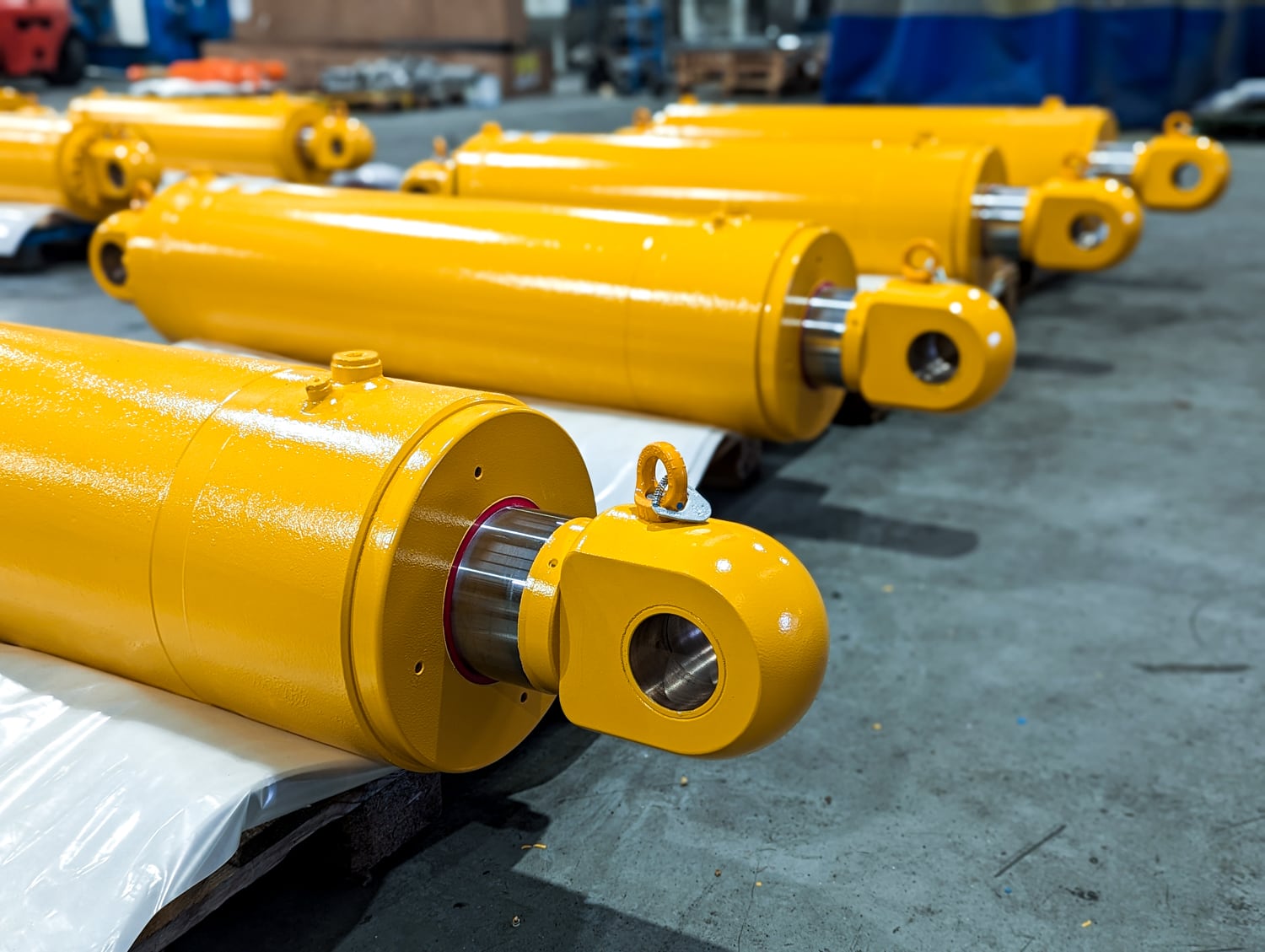
In the world of industrial machinery and heavy equipment, hydraulic systems play an essential role in delivering controlled power and movement. At the core of these systems lie two fundamental elements: the hydraulic cylinder and the collection of various hydraulic components that enable smooth operation, force transmission, and precise control.
Table of Contents
What Is a Hydraulic Cylinder?
A hydraulic cylinder is a mechanical actuator used to provide unidirectional force through a unidirectional stroke. These cylinders convert the energy stored in hydraulic fluid into a force used to move the cylinder in a linear direction. Whether lifting, pushing, pulling, or lowering a load, hydraulic cylinders make it all possible with precision and consistency.
Typically composed of a cylindrical barrel, a piston, and a piston rod, the hydraulic cylinder operates by pressurizing hydraulic fluid inside the barrel. As fluid pressure increases, it forces the piston to move, thereby creating motion. This principle is used across various industries—from construction and agriculture to aerospace and manufacturing.
Key Components of a Hydraulic System
To understand how a hydraulic cylinder functions effectively, it’s important to consider the broader system it operates within. A complete hydraulic system includes several interconnected hydraulic components, each playing a critical role:
- Hydraulic Pump – Responsible for moving hydraulic fluid from the reservoir to the cylinder.
- Reservoir/Tank – Stores the hydraulic fluid.
- Valves – Control the direction, pressure, and flow of the fluid.
- Actuators – Such as the hydraulic cylinder, which convert fluid energy into mechanical movement.
- Filters – Clean the hydraulic fluid to prevent contamination.
- Hoses and Tubing – Deliver the hydraulic fluid between components.
Each of these hydraulic components must work in harmony to ensure optimal performance of the hydraulic system. A malfunction in one component can affect the efficiency and safety of the entire system.
Applications of Hydraulic Cylinders
The versatility of hydraulic cylinders makes them suitable for a wide range of applications. For instance:
- Construction Equipment – Excavators, bulldozers, and cranes all rely heavily on hydraulic cylinders for arm and bucket movements.
- Agricultural Machinery – Tractors and harvesters use cylinders to operate plows, lifters, and balers.
- Manufacturing – Automated systems use hydraulic cylinders in presses, injection molding, and lifting devices.
- Marine and Aerospace – Used for stabilizers, steering mechanisms, and landing gear operations.
The efficiency and dependability of the hydraulic cylinder make it a preferred actuator in systems requiring high force and accurate movement.
Importance of High-Quality Hydraulic Components
Just like any mechanical system, durability and performance are directly linked to the quality of the materials and parts used. Substandard or poorly maintained hydraulic components can lead to system failures, costly downtime, and even dangerous work environments.
For example, a small leak in a hydraulic hose or a malfunctioning valve can compromise the pressure required to move a hydraulic cylinder. Regular inspections, use of certified parts, and adherence to maintenance schedules are crucial in keeping a hydraulic system efficient and safe.
Choosing the Right Hydraulic Cylinder
Selecting the correct hydraulic cylinder involves several important considerations:
- Load Capacity – The cylinder must be able to handle the force needed for the application.
- Stroke Length – Determines how far the cylinder can move in a single stroke.
- Mounting Options – Vary based on whether the load is being pushed or pulled and the direction of force.
- Operating Environment – Cylinders used in harsh conditions require corrosion-resistant materials and seals.
- Speed Requirements – Affects the flow rate and sizing of the hydraulic pump and other hydraulic components.
Consulting with a hydraulic engineer or technician can help ensure the right specifications are met for long-lasting and efficient operation.
Innovations in Hydraulic Cylinder Technology
Modern technology has enhanced the reliability and intelligence of hydraulic components, including hydraulic cylinders. Sensors and smart electronics are now integrated into hydraulic systems to enable predictive maintenance, monitor pressure, and track usage metrics.
Electro-hydraulic systems, for instance, combine traditional hydraulic power with electronic control, offering more precise movement and better energy efficiency. Such innovations are making hydraulic systems smarter and more adaptable across various industries.
Maintenance and Troubleshooting
Routine maintenance is vital for ensuring the longevity and performance of both the hydraulic cylinder and associated hydraulic components. Here are a few best practices:
- Check Fluid Levels and Cleanliness – Contaminated or low fluid can damage internal components.
- Inspect Seals and Fittings – Leaks around the cylinder can reduce pressure and efficiency.
- Monitor System Pressure – Fluctuations may indicate issues with the pump or valves.
- Lubricate Moving Parts – Reduces friction and wear on components.
- Schedule Preventative Maintenance – Helps avoid unexpected breakdowns.
By keeping the entire system clean and in good condition, operators can maximize productivity and minimize repair costs.
Conclusion
The hydraulic cylinder is one of the most indispensable elements in hydraulic machinery, known for its reliability, strength, and versatility. When supported by well-maintained and properly designed hydraulic components, it enables complex tasks to be carried out with speed and precision.
From powering industrial machines to lifting massive structures, hydraulic technology continues to be at the forefront of innovation and efficiency. Understanding the role of each component—and particularly the critical function of the hydraulic cylinder—is essential for anyone working with or designing hydraulic systems.


