

Montadoras Avisam Lula: Is a Crisis Coming? A China-friendly policy may lead to mass layoffs and deepen Brazil’s deindustrialization crisis.
Table of Contents
Tensions Mount Between Automakers and the Government
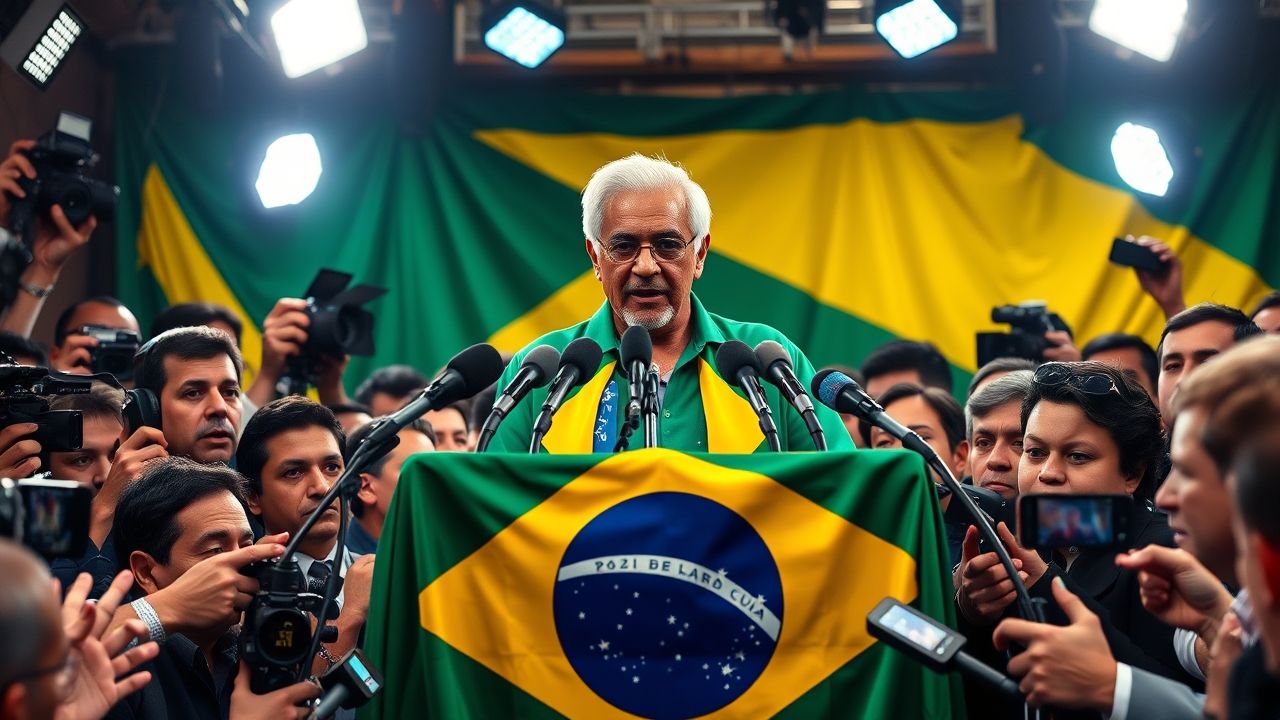
In a high-stakes warning that’s making waves across Brazil, montadoras avisam Lula—automakers have formally warned President Luiz Inácio Lula da Silva of mass layoffs if a controversial pacote pró-China (pro-China package) is implemented.
During a meeting with key government officials, including Vice President Geraldo Alckmin and Minister Rui Costa, leaders of the four largest automakers in Brazil raised the alarm about the policy’s potential impact on local industry, production jobs, and Brazil’s long-standing struggle with desindustrialização (deindustrialization).
Automakers Warn Lula: Is a Crisis Coming?
What’s in the “Pacote Pró-China”?
At the center of this industrial dispute is a proposed measure that would eliminate a 35% import tax on SKD e CKD (semi-knocked down and completely knocked down) kits—critical components imported and used in auto assembly. The proposal primarily benefits BYD no Brasil, a Chinese electric vehicle giant expanding operations in the country.
Although this could stimulate competition and lower prices for consumers, montadoras no Brasil argue that it could severely hurt local production and automotive jobs, putting domestic factories at a disadvantage.
A Blow to Local Production?
One executive reportedly told the government, “If this measure goes through, we will lay off thousands of workers.” Another warned that produção local production will lose its competitiveness, as imported vehicle kits are often cheaper and easier to assemble than locally sourced parts. Now the Question is really montadoras avisam Lula?
Companies fear that the pacote pró-China signals a broader shift away from supporting Brazilian industry, potentially fast-tracking demissões na indústria automobilística (layoffs in the auto industry).
SKD and CKD: The Hidden Danger?
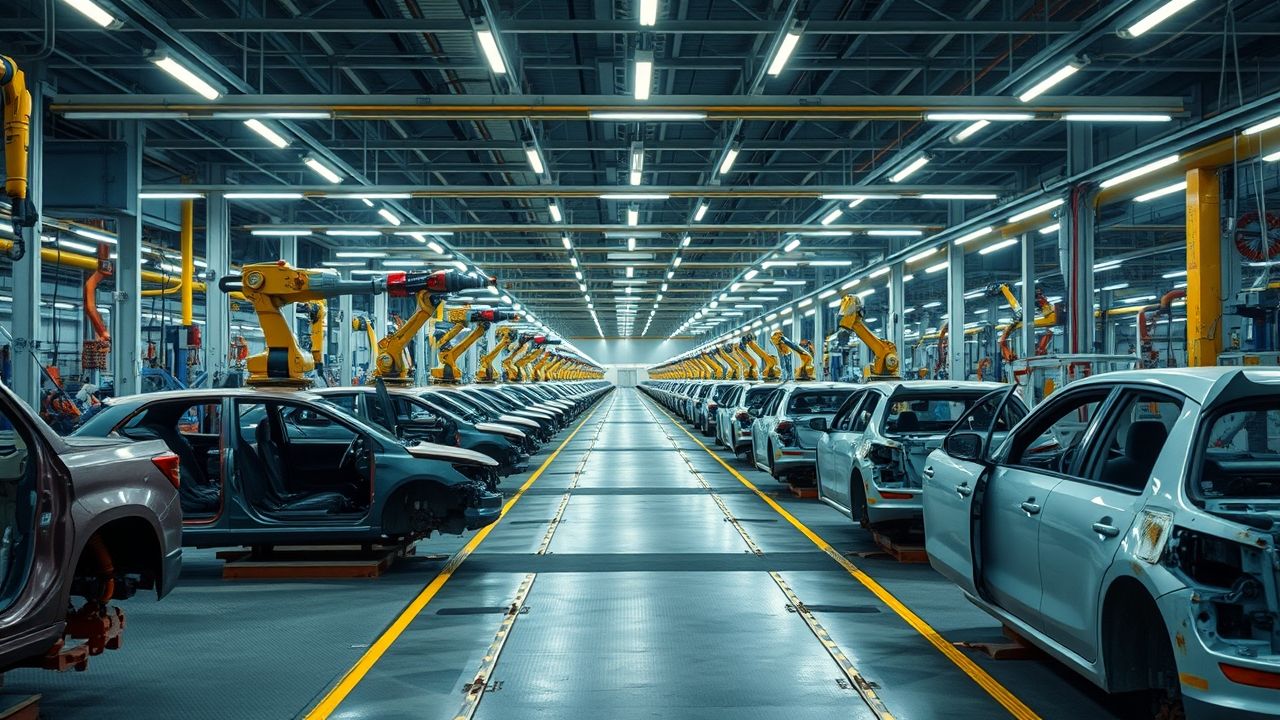
The terms SKD and CKD componentes importados may not be well-known to the public, but they are pivotal to this debate. These kits allow manufacturers to import car parts, which are then assembled locally. With a lower tax burden, Chinese automakers like BYD could dominate Brazil’s car market, leaving traditional players scrambling to adapt or downsize.
Political Leaders React
While Presidente Lula has yet to issue an official statement, insiders say he’s evaluating the economic risks and political costs of moving forward. Meanwhile, Geraldo Alckmin, who also heads the Ministry of Industry and Commerce, is caught between supporting industrial competitiveness and encouraging foreign investment.
Rui Costa, chief of staff, has been more reserved but recognizes the stakes: thousands of jobs, investor confidence, and national industrial policy.
Brazil at a Crossroads
Why montadoras avisam Lula? This isn’t just about car parts or tax breaks—it’s a moment of reckoning for Brazil’s economic identity. Will it protect its legacy industries, or pivot toward global integration at the expense of local workers?
The clash between montadoras no Brasil and the federal government reflects a deeper tension: economic nationalism versus globalization. If the demissões na indústria automobilística become a reality, Lula could face major political fallout from labor unions and voters.
FAQs
What is the ‘pacote pró-China’?
It refers to a Brazilian government proposal to remove import taxes on auto parts kits (SKD and CKD), which many believe favors Chinese automakers like BYD.
What are SKD and CKD kits?
These are semi or completely knocked-down car parts shipped from abroad and assembled locally. Removing taxes on these kits benefits importers over local manufacturers.
Why are Brazilian automakers upset?
They fear losing their competitive edge, which could lead to factory shutdowns and massive layoffs—demissões na indústria automobilística.
How does this affect Brazilian workers?
Thousands of jobs are at stake. If imports replace local production, factories may be forced to scale back operations or close entirely. That’s why Montadoras Avisam Lula.
What is desindustrialização?
It’s the gradual decline of Brazil’s manufacturing sector. Critics argue that favoring imports accelerates this trend and undermines local capabilities.
Which companies are involved in the warning?
Although names weren’t officially confirmed, major players like Volkswagen, Stellantis, GM, and Toyota were reportedly part of the talks.
Is BYD the main beneficiary?
Yes. BYD no Brasil stands to gain most from the tax exemptions due to its business model based on SKD/CKD imports.
Protection or Progress?
The fate of Brazil’s auto industry hangs in the balance. If montadoras avisam Lula turns into action—through job cuts and factory closures—it could spark a national debate about how to balance economic progress with social responsibility.
While the government eyes modernization and openness, workers and industrial leaders demand protection. The road ahead is anything but smooth.


